

The Cabo Verdean singer Taresa Fernandes on Batuku, women’s voices, collective memory, the body, and the art of bringing the present moment into song.
An interview by Joel Grip and Antonin Gerbal. This conversation took place on July 3, 2026. It has been edited, translated into English, and condensed for clarity.
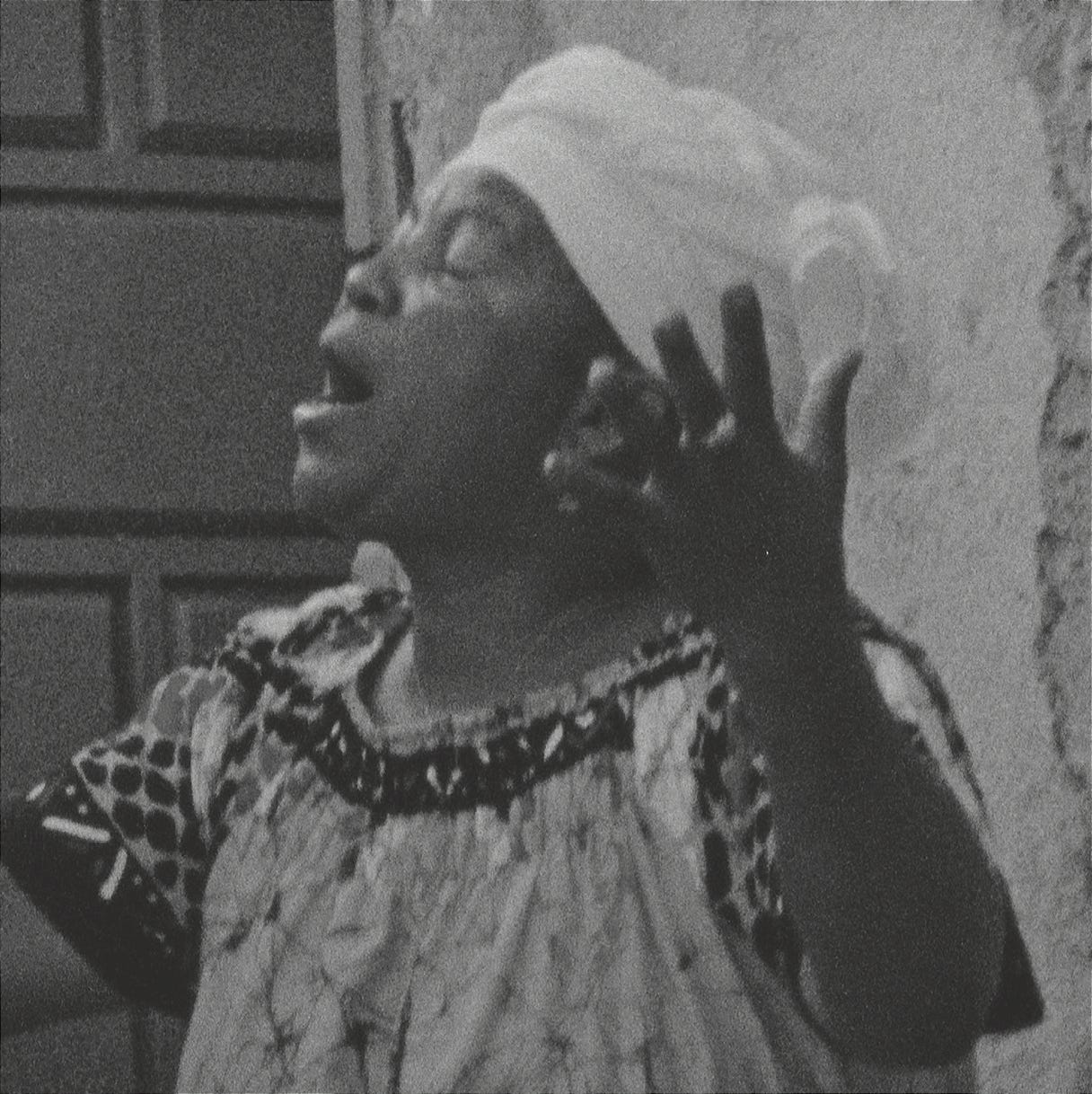
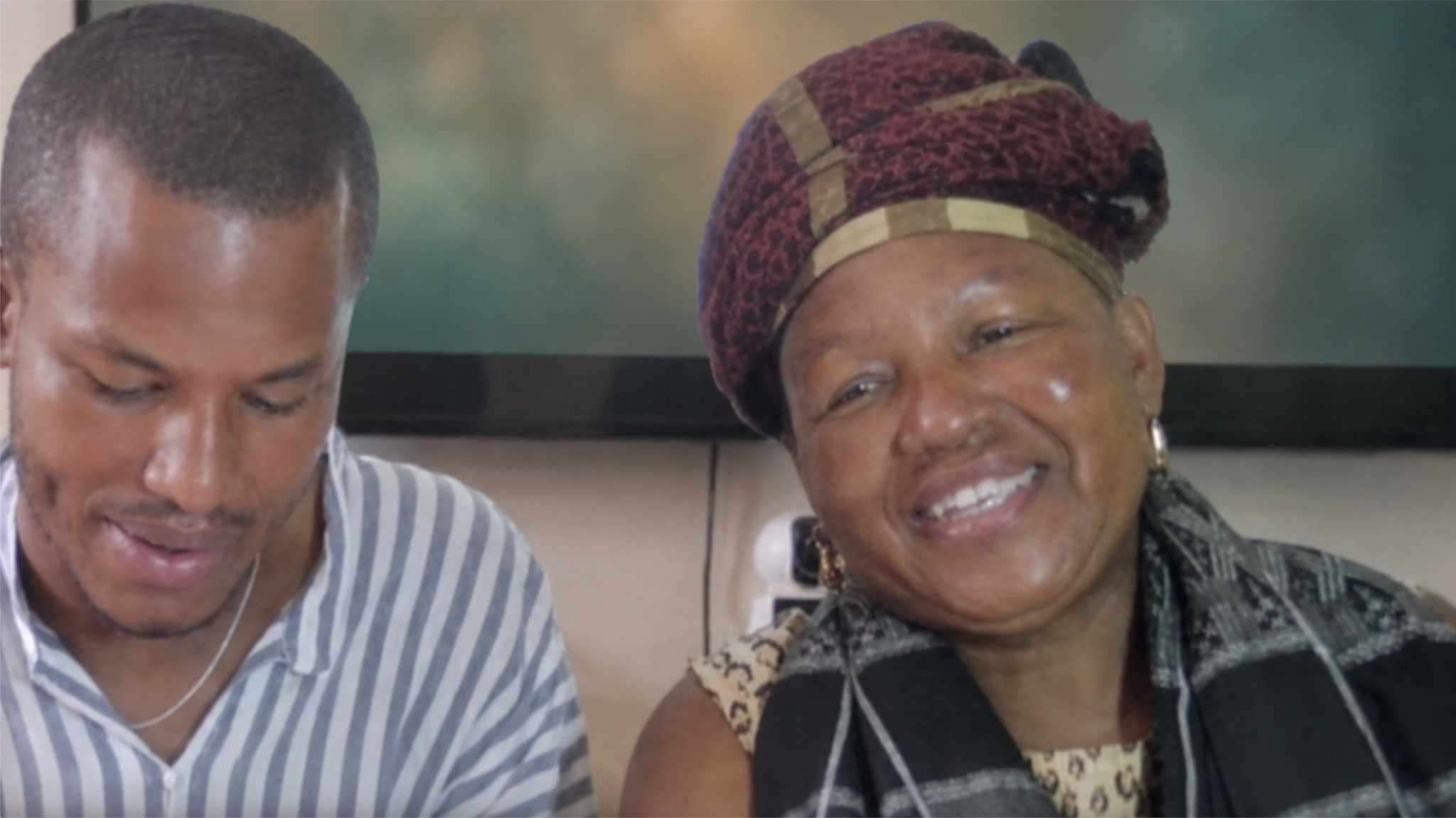
Antonin Gerbal and Joel Grip first met Taresa Fernandes in Praia in 2023, after being introduced to her by her musician son, Zito Kaumy Miguel Alves. She welcomed them into her home with great generosity. During that visit, she improvised their names and hometowns into a Batuku song, making their presence part of the music itself.
Three years later, ahead of the release of I Hope You Change, they spoke with her again about Batuku as a living tradition: a music of women’s voices, hand percussion, dance, oral memory, improvisation, and everyday life.
For Fernandes, Batuku is not a fixed inheritance. It is a way of singing what people live and remember — and of carrying those experiences forward.
Joel Grip: How does Batuku connect to daily life in Praia today?
Taresa Fernandes: Batuku speaks about what happened before, what is happening now, and what we are preparing for the future. Every song begins with something real. It can be about work, migration, not having a house, or the experiences of people from Santiago. Sometimes it comes from a problem, a conversation, or something happening right in front of you. Batuku shows what people are living and gives them a way to speak about it.
JG: When we first met in Praia, you welcomed us by improvising our names and the cities we came from into the song. How does that spontaneity work?
TF: It comes from the moment. When someone visits us, we can sing their name, where they come from, or something about what we are sharing. It is a way of opening the door and showing gratitude. When we sing someone’s name, we are saying: you are here with us now. You are part of this. You do not need to prepare everything beforehand. You look at the people around you, you listen, and something arrives.
Antonin Gerbal: So improvisation is not only about invention, it can also be a form of hospitality?
TF: Yes, exactly. It is a way of receiving people and bringing them into the music. You can bring a visitor, a place, or a feeling into the song, and Batuku carries it. The tradition gives the improvisation its rhythm and strength. You are not creating alone. The inspiration may begin with one person, but the group makes it larger.
AG: As a child, you wanted to become a historian. Can a song preserve history differently from a book?
TF: Yes. In a way, Batuku makes history too. A song can preserve the story of a person or a community. It can show what people have suffered, what they have carried, and what they want others to know. A book gives you words on a page. In Batuku, history also passes through the voice and the rhythm. People sing it together, and that gives the story another kind of life.
JG: The title of the album, I Hope You Change, comes from one of your lyrics. What does change mean to you?
TF: Change can mean changing the way we treat one another, changing something in our lives, or finding another way forward. When you hope someone will change, it is because you still believe another way is possible. Batuku itself has always changed. In the past, people made the rhythm with what they had: cloth, plastic, their hands, their legs, their bodies. Today, musicians sometimes add other instruments and create new languages inside the traditional form. Some people prefer the older sound. Others like more instrumentation. Both can exist. Change does not mean forgetting where you come from. We keep what came before, but we also put our own lives into the music. Otherwise, it would no longer be alive.
JG: Can Batuku also change people?
TF: Yes. Batuku brings joy, solidarity, friendship, and strength. For me, it is a form of freedom. For women especially, Batuku has always created a space for expression. I sometimes say: “I don’t wear skirts just to protect myself from the cold.” The skirt is part of the movement. When I dance, it speaks with my body. It becomes part of that freedom.
AG: Are there things you can say in Batuku that would be harder to say in an ordinary conversation?
TF: When I sing, something spontaneous and natural happens. I feel free. Sometimes a song comes directly from what you are feeling, before you have found the words to explain it. There are things inside you that are difficult to say in conversation. Music gives them a shape. When I sing, the force I feel inside me can come out.
AG: Do you write your songs down, or do you keep them in memory?
TF: A song usually begins inside me, in the heart and the mind. First, I try to keep it there. Later, it can be written down. Before the writing, there is emotion. Little by little, you organise that feeling until it becomes something you can sing and share.
AG: Batuku happens through words, but also through hands, legs, hips, and the response of the group. What can the body express that lyrics cannot?
TF: The body can express love, joy, liberation, and strength. The music is not only in the words. It is in the hands, the legs, the hips, the voice, and the energy moving between people. The rhythm, the movement, and the response of the group become one thing. Sometimes the body speaks before the words do. You feel the rhythm entering you, and your body answers.
JG: When we were in Praia, we also met Nha Balila1, with whom you have worked for many years. In what way has she been important to you?
TF: She is still here, and she remains a great reference for us. We have known each other and worked together for more than thirty years. She is not simply somebody who belongs to the past. She is someone we have sung with, learned from, laughed with, and shared many experiences with. When we are together, we remember everything we have lived through. That time together is also a form of teaching.
AG: How does a singer keep her own voice while becoming part of the group?
TF: Each singer has her own voice and her own way of expressing herself. One person may begin the song, but the group carries it and gives it more strength. The feeling begins inside one person. Then everyone answers, and it becomes something shared. That is the power of Batuku.
JG: Today, people also discover Batuku worldwide, through recordings, videos, phones, and digital platforms. What can reach someone who encounters Batuku this way?
TF: I am happy when the message can travel. Through music, people can connect with our community and our history. They may not understand every word, but they can still feel something in the voices, the rhythm, and the energy. Being physically present is different. You feel the bodies, the sound, and the group directly. But even through a recording, something can reach you. It can make you curious and draw you closer.
AG: What must be passed on to younger generations?
TF: Young people need to know where the music comes from, but they also have to find their own relationship to it. More young people are becoming interested now. They are learning the older songs while bringing Batuku into their own time. They should not only repeat what we did. They must sing their own reality.
JG: How do you see the future of Batuku?
TF: I think Batuku is on the right path. There are more young groups now, and that is beautiful. As long as people continue to sing about their difficulties, their joys, the people they meet, and the hopes they carry, Batuku will continue. Life changes, so Batuku will change too. But the hands will continue, the voices will continue, and the strength will remain.
Nha Balila (Isidora Semedo Correia, b. 1929) is a renowned Cape Verdean Batuku and finaçon singer from Santiago, and a major figure in Cabo Verde’s oral musical tradition.